

Electrochemical Analysis
Electrochemical Corrosion Testing
Corrosion is fundamentally an electrochemical reaction. A material loses electrons, or oxidises, at anodic sites while a corresponding reduction reaction occurs at cathodic sites on the same surface or on a dissimilar coupled metal.
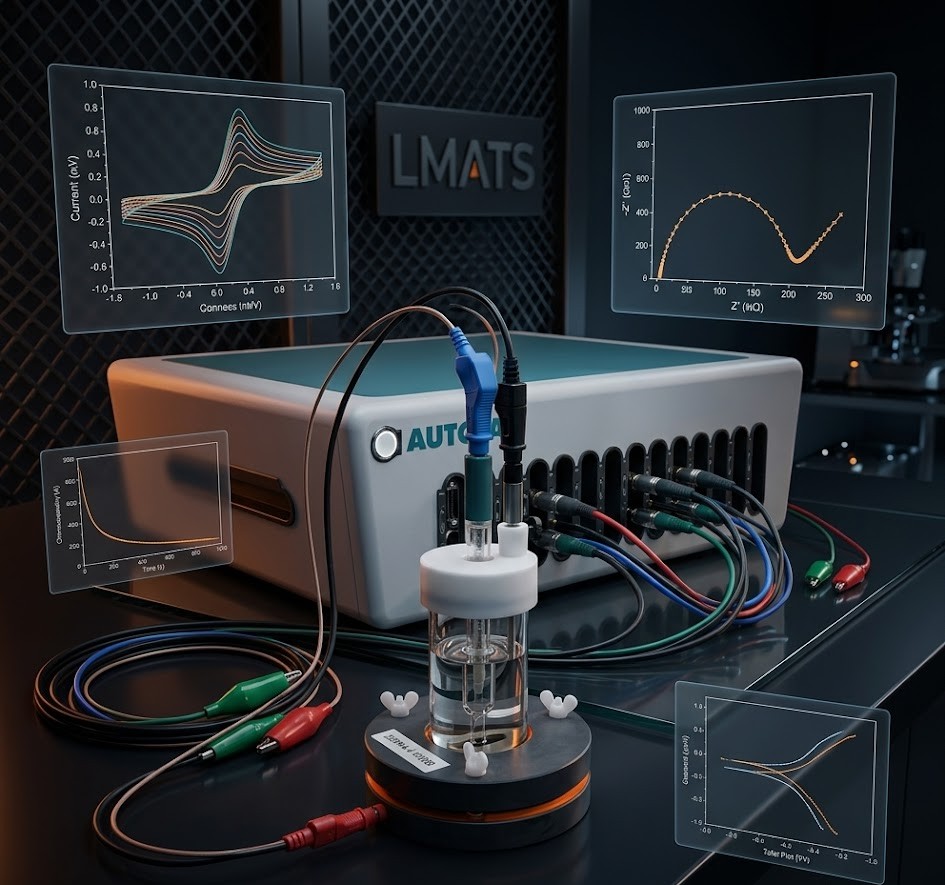
A potentiostat/galvanostat measures this reaction directly by controlling and recording the potential and current passed between a sample and a set of electrodes in an electrolyte.
Unlike exposure-based methods, electrochemical testing quantifies corrosion rate and mechanism in hours rather than weeks. It can also isolate the effect of a single variable, such as a coating, inhibitor, weld zone or heat treatment, under controlled conditions.
Typical Testing
Testing typically includes open circuit potential monitoring followed by one or more of the techniques below, depending on the failure mode or performance question being investigated.
OCP | Open Circuit Potential
Establishes the free corrosion potential of the sample before any applied signal.
LPR | Linear Polarization Resistance
A rapid, low-perturbation corrosion-rate estimate near the corrosion potential.
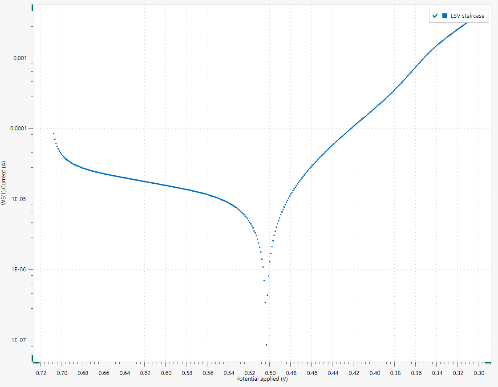
PDP / Tafel | Potentiodynamic Polarization
Polarizes the sample beyond OCP to extract Tafel slopes, Icorr and corrosion rate (mm/year).
CPP | Cyclic Polarization
Reverses the potential sweep to assess pitting and crevice initiation and repassivation behaviour.
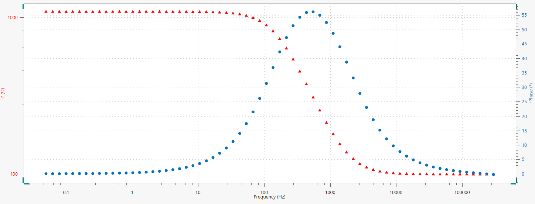
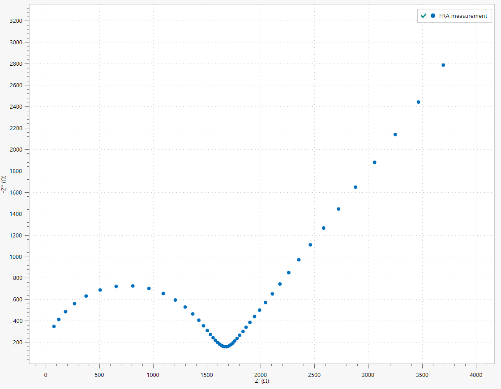
EIS | Electrochemical Impedance Spectroscopy
Uses a small AC signal swept across frequency to assess coating breakdown, film resistance and charge-transfer kinetics.
GC | Galvanic Corrosion Testing
Measures coupling current between dissimilar metals in electrical and electrolytic contact.
CA | Chronoamperometry
Tracks current at fixed potential over time to quantify inhibitor efficiency or coating degradation.
When to Use Electrochemical Testing
Electrochemical testing is particularly useful when you need to understand how quickly corrosion is occurring, why it is occurring, or how a material, coating or inhibitor is performing under specific conditions.
Is electrochemical testing the right test for my application?
Electrochemical testing is particularly valuable when you need to measure corrosion rate, compare materials or treatments, investigate corrosion mechanisms, evaluate coatings or inhibitors, or understand the effect of specific environmental or operating variables.
It can provide quantitative information about corrosion behaviour and degradation under controlled conditions and can help assess and compare expected corrosion performance.
Where additional information on the physical appearance and development of corrosion or coating deterioration over time is required, exposure-based methods such as salt spray or immersion testing can be added as complementary tests.
Combining these approaches can provide a more comprehensive assessment, with electrochemical testing providing quantitative information on corrosion behaviour and exposure testing providing direct observations of changes such as rusting, blistering, delamination, staining or other visible deterioration.
We have had an unexpected corrosion failure. How can electrochemical testing help?
Electrochemical testing can complement metallurgical failure analysis by showing how a material behaves under conditions representative of the service environment.
Testing can investigate variables such as electrolyte chemistry, temperature, material condition, welding or heat treatment, surface condition and inhibitor concentration. Results can then be considered alongside visual examination, metallography, SEM/EDS, chemical analysis and other findings to develop a more complete understanding of the corrosion mechanism.
Can you test whether our corrosion inhibitor is working?
Yes. Testing can compare the corrosion response of a material with and without an inhibitor under comparable conditions. The reduction in corrosion rate can be quantified and inhibitor efficiency calculated, helping assess performance, compare products or investigate whether a dosing strategy provides adequate protection.
Can electrochemical testing help us select the right alloy or material?
Yes. Candidate materials can be tested under the same controlled conditions using an electrolyte representative of the intended service environment. Their electrochemical behaviour and relative corrosion performance can then be directly compared to support material selection.
Can it evaluate a protective coating?
Yes. Electrochemical Impedance Spectroscopy can assess the barrier and electrochemical properties of protective coating systems and monitor changes associated with degradation. It is useful for comparing coating systems, investigating exposure or ageing effects, and detecting performance changes before substantial visible deterioration develops.
Could two dissimilar metals cause galvanic corrosion?
When different metals are electrically connected in the presence of an electrolyte, galvanic corrosion may occur. Testing measures the current generated when the metals are coupled under specified conditions, helping determine the severity of the interaction and whether the proposed combination presents a corrosion risk.
How does electrochemical testing compare with salt spray and other corrosion tests?
The methods provide different but complementary information. Salt spray, immersion and other exposure tests assess performance after exposure to specified conditions and are commonly used where a standard or acceptance criterion applies.
Electrochemical techniques measure the material's electrochemical response and can provide corrosion rate, polarization behaviour, pitting and repassivation behaviour, and coating impedance in a much shorter timeframe.
Electrochemical testing does not replace conventional testing where a particular method is required by a specification. The appropriate method depends on the material, service environment and question being investigated.
Not sure which corrosion test you need?
The appropriate program depends on the material, service environment, failure mode and question you need answered. Call 1300 707 365 to discuss your application with a corrosion expert.
Test Cell & Electrode Setup
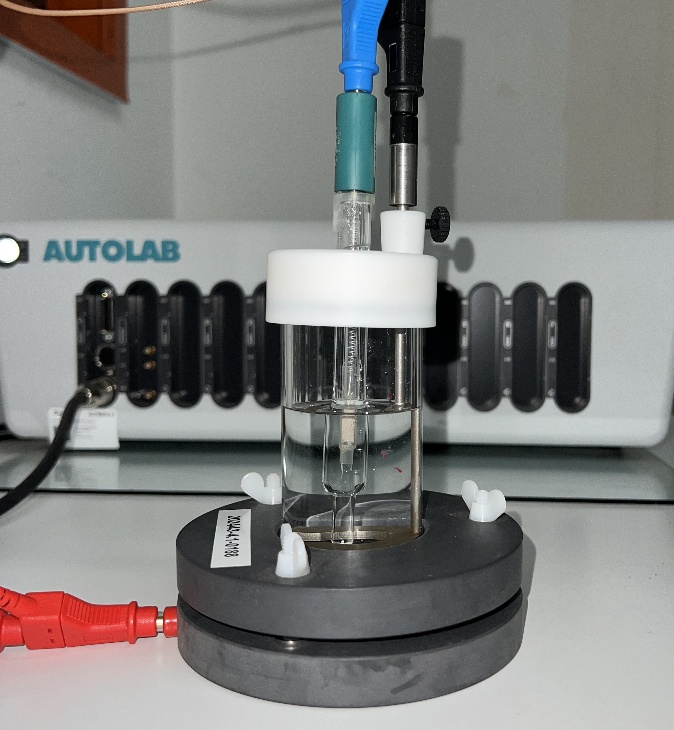
Testing is carried out in a three-electrode electrochemical cell. The sample forms the working electrode; a reference electrode, typically Ag/AgCl or SCE, provides a stable potential baseline; and a counter electrode, typically platinum or graphite, completes the circuit.
The electrolyte is selected to represent the service environment, such as synthetic seawater, soil simulant, process chemical or a standard corrosive solution specified by the relevant standard.
Surface preparation, exposed area, electrolyte temperature, aeration and stir rate are controlled and recorded because these variables directly affect the measured corrosion rate.
What We Provide
- Material & Alloy Selection: Compare corrosion performance to support confident material selection.
- Coating Qualification: Evaluate coating integrity, protection and resistance to degradation.
- Corrosion Protection Validation: Assess corrosion inhibitors and optimise dosing.
- Galvanic Compatibility: Identify corrosion risks when dissimilar metals are used together.
- Failure Investigation: Identify corrosion mechanisms and support root-cause analysis.
- Performance Benchmarking: Compare materials, coatings and protection systems under controlled conditions.
- Comprehensive Corrosion Assessment: Combine electrochemical testing with pitting, crevice, intergranular and salt-spray testing.
Standards and Specifications
LMATS performs tests in accordance with ASTM G5, ASTM G59, ASTM G61, ASTM G102, ASTM G106, ASTM G71, NACE TM0190, ISO 17475 and similar national and international standards.
 ISO/IEC 17025 & 17020 accredited